
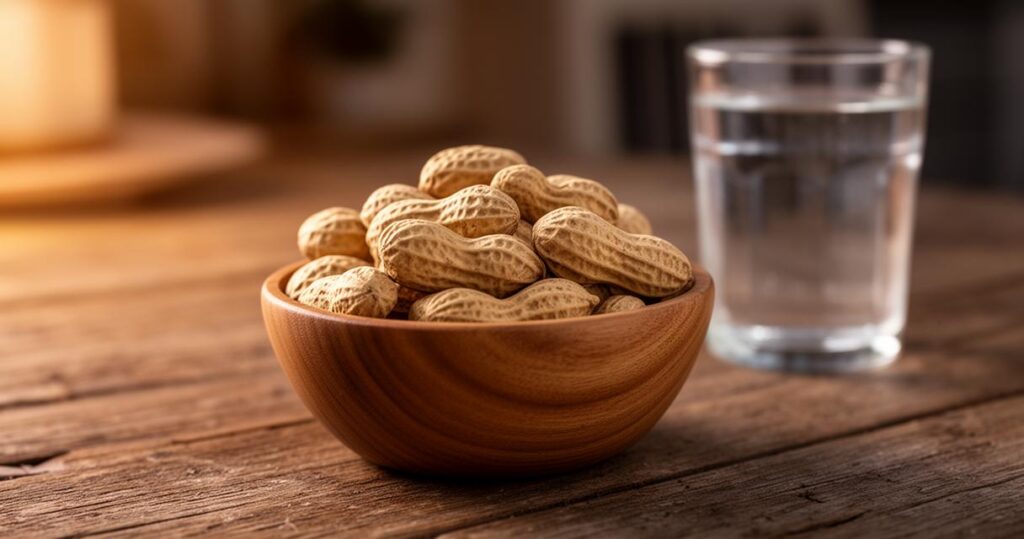
There's a persistent belief that reaching for a handful of peanuts once the sun goes down is a fast track to weight gain, but the reality is far less dramatic than the myth suggests. Between snack cravings and dinner-table habits, peanuts have earned a reputation they don't entirely deserve, and it's worth untangling what actually happens when you nibble on them after dark.
Key takeaways
- The belief that eating peanuts at night automatically leads to weight gain is unsupported by scientific evidence, as total daily caloric intake is more significant than the timing of consumption.
- A systematic review of fifty-five studies concluded that daily nut consumption, regardless of the time of day, does not result in significant changes to body weight, BMI, or waist circumference.
- Peanuts provide high levels of healthy fats, protein, and fiber, which help increase satiety and manage evening hunger cravings more effectively than ultra-processed snacks.
- Replacing less healthy snack options with a portion of peanuts has been shown to potentially contribute to a modest decrease in body fat percentage.
- Nutrition experts recommend a daily serving of approximately 30 grams, or one handful, to enjoy the health benefits of peanuts without exceeding calorie needs.
- Mindful portion control is the most effective strategy for including peanuts in a healthy diet, rather than restricting consumption due to outdated nutritional myths.
The caloric reality of evening peanut consumption
Understanding energy density and late-night snacking
Peanuts are undeniably energy-dense, which means a small handful packs a fair number of calories. This is precisely why people assume that eating them in the evening, when activity levels drop, must lead to weight gain. The truth is more nuanced. What matters most is total daily intake and overall dietary pattern rather than the specific hour you eat something. A systematic review examining nut consumption across fifty-five separate studies looked directly at whether nuts contribute to extra pounds, and the findings challenge the conventional wisdom rather firmly.

How your body processes calories after dark
Contrary to popular belief, your metabolism doesn't grind to a halt the moment evening arrives. The research included adults aged eighteen and over who consumed nuts for a minimum of three weeks, with scientists tracking outcomes such as body weight, BMI, waist circumference, and body fat percentage. Across an average intervention length of roughly thirteen point eight weeks, participants ate around forty-eight point two grams of nuts daily. The results showed no significant change in body weight, BMI, or waist circumference, regardless of when the nuts were eaten. This consistency, described in the review as low heterogeneity, suggests the findings are fairly reliable rather than a fluke of one particular study design.
Nutritional benefits: why peanuts aren't the villain
The Role of Healthy Fats in Satiety and Metabolism
Peanuts are rich in healthy fats that do far more than add flavour and texture. These fats play a genuine role in satiety, helping you feel fuller for longer after a meal or snack, which can actually work in your favour if weight management is your goal. Interestingly, when the studies included specific dietary substitution instructions, meaning participants swapped nuts for other less beneficial foods rather than simply adding them on top of their usual diet, researchers observed a modest decrease in body fat percentage, with a standardised mean difference of negative zero point three two percent. This suggests peanuts and their nutty cousins can be a smart replacement rather than an unwelcome addition.
Protein Content and Its Impact on Evening Hunger
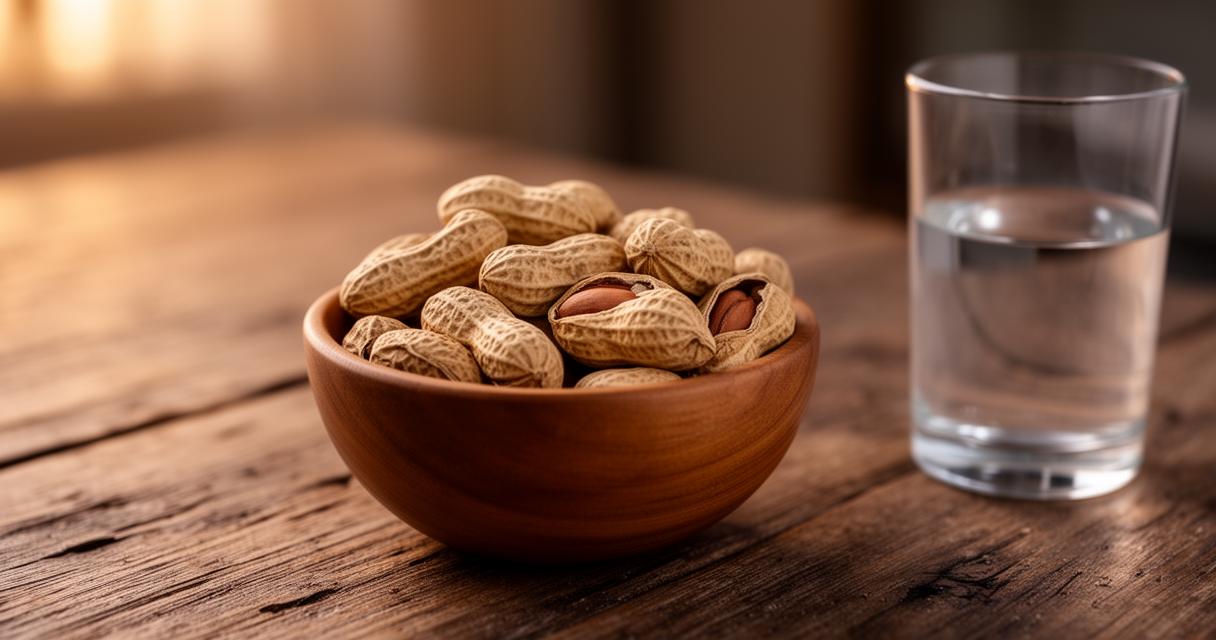
Alongside their fat content, peanuts offer a solid dose of protein and fibre, both of which are known contributors to appetite control. This combination is particularly useful in the evening, when many people find themselves battling cravings before bed. Rather than reaching for something ultra-processed and low in nutritional value, a small portion of peanuts can curb hunger while supporting heart health at the same time. It's worth noting that despite these benefits, only two percent of Australians actually eat the recommended thirty grams of nuts per day, showing just how underused this simple food remains in everyday diets.
Finding the right balance: portion control strategies
Recommended serving sizes for evening snacks
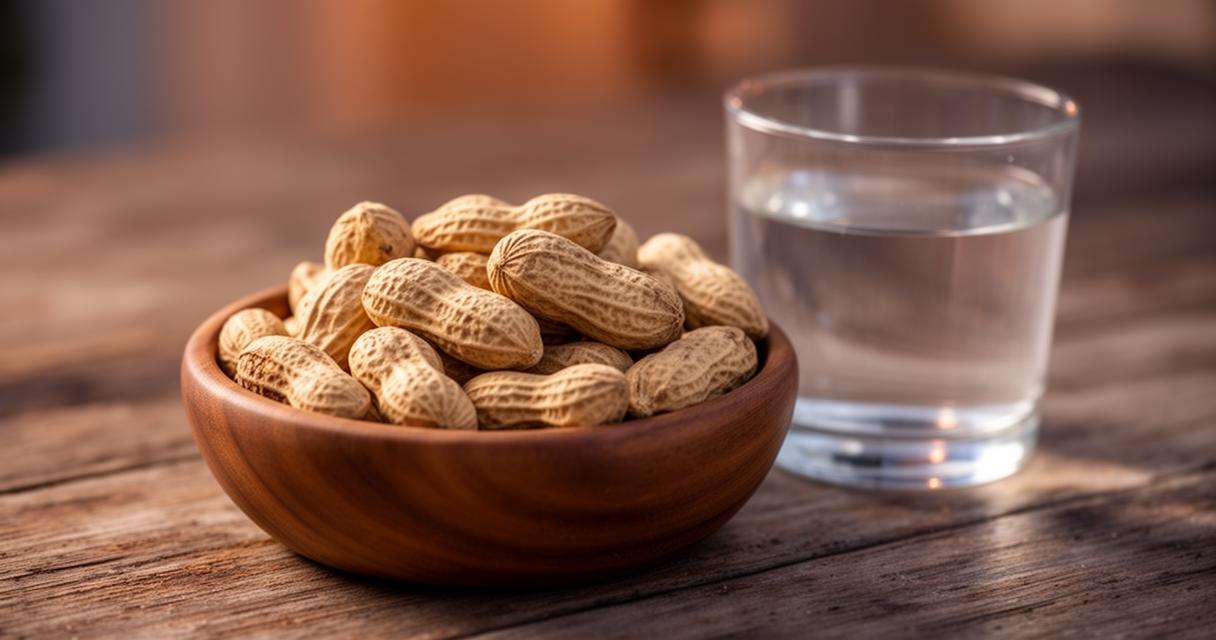
The key to enjoying peanuts without any guilt lies in portion size. Nutrition experts generally point to the 30g daily recommendation, which works out to roughly one handful. For peanuts specifically, that translates to around forty peanuts, whereas other nuts have their own equivalent measures, such as twenty almonds, fifteen cashews, fifteen macadamias, or ten walnuts. Knowing these figures helps take the guesswork out of snacking and prevents the kind of mindless overeating that could genuinely tip the calorie balance in the wrong direction.
Practical tips for mindful peanut consumption
Several long-standing myths deserve to be put to rest. The idea that eating nuts causes weight gain has been thoroughly busted by the evidence, and the notion that you should limit yourself to just eight or ten almonds is similarly outdated advice. A full daily handful is perfectly appropriate. As for the debate between raw versus roasted nuts, both versions offer genuine heart health benefits, so there's no need to fuss over which is superior. Meanwhile, the trend of soaking nuts to make so-called activated nuts hasn't gathered much solid scientific backing, and the phytates naturally present in nuts actually carry their own health advantages rather than being something to avoid. For those keeping an eye on cholesterol reduction, research indicates that eating two handfuls of nuts may help lower cholesterol levels over time. Ultimately, peanuts fit comfortably within a healthy diet and sensible weight management plan, provided portion sizes stay reasonable and they're eaten as part of a considered approach to food rather than out of boredom. The scientific literature, including clinical intervention studies published through resources like the National Library of Medicine, continues to support nuts as a beneficial addition to daily eating habits, debunking outdated nutrition myths one study at a time.