
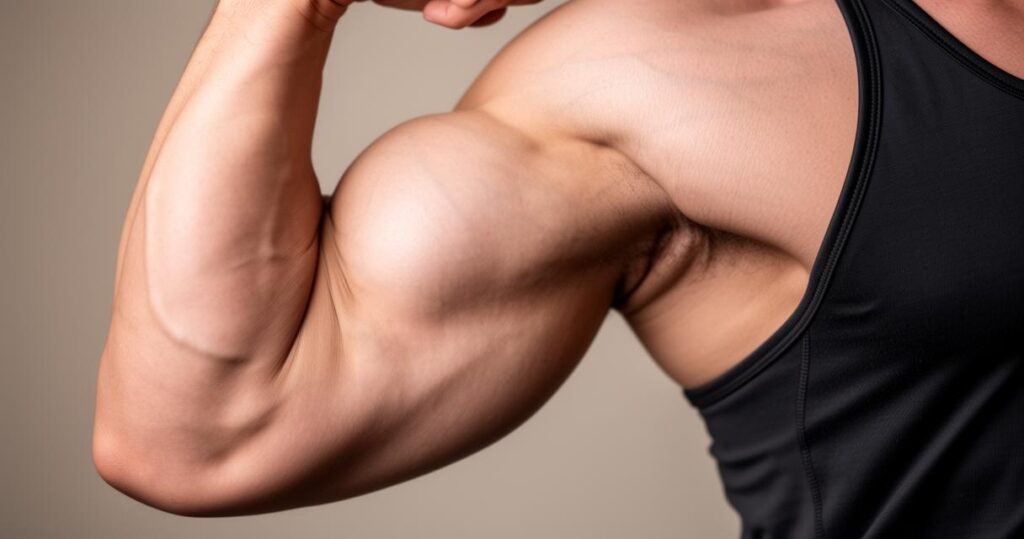
If you have ever wondered why your training partner seems to build a peak on their upper arm with minimal effort while you struggle to see the same result despite identical effort, the answer might lie in your genetics rather than your work ethic. Understanding whether you have short or long biceps can completely reshape how you approach your gym sessions, helping you train smarter rather than simply harder.
What to know
- The length of your biceps is primarily determined by genetics and the anatomical attachment points of your tendons, which cannot be changed through exercise.
- You can determine your bicep type by flexing your arm at a 90-degree angle and observing the gap between your muscle belly and your elbow crease.
- Individuals with short biceps should focus on exercises like concentration or spider curls that emphasize peak contraction and muscle density.
- People with long biceps benefit from movements that provide a full range of motion, such as incline curls, to stimulate the entire muscle belly.
- Proper form, gradual load progression, and adequate warm-ups are essential for all lifters to prevent common injuries like tendinitis.
- Understanding your unique structural blueprint allows you to tailor your exercise selection and training volume to achieve better aesthetic results.
Understanding the anatomy: what defines short versus long biceps
The bicep brachii is a two-headed muscle that runs along the front of your upper arm, and its overall length can vary significantly from person to person due to skeletal structure and tendon attachment points. Some individuals have what is often called a long bicep, where the muscle belly stretches further towards the elbow, while others possess a shorter, more compact muscle that sits higher up near the shoulder. This difference is largely determined by where the tendons attach to the bone, and no amount of training will fundamentally change this structural blueprint. What training can do, however, is influence how full or developed the muscle appears within its given length.
Measuring your bicep length: a simple assessment technique
You do not need fancy equipment to work out which category you fall into. Simply flex your arm at a ninety degree angle and look at where the muscle belly begins and ends relative to your elbow crease and shoulder joint. If there is a noticeable gap between the muscle and your elbow, you likely have a shorter bicep. If the muscle appears to run almost all the way down towards your forearm, you are probably in the long bicep camp. Standing in front of a mirror and comparing both flexed and relaxed positions will give you a clearer picture, and photographing your arm from the side can help you spot subtle sofa arm curve details you might otherwise miss.
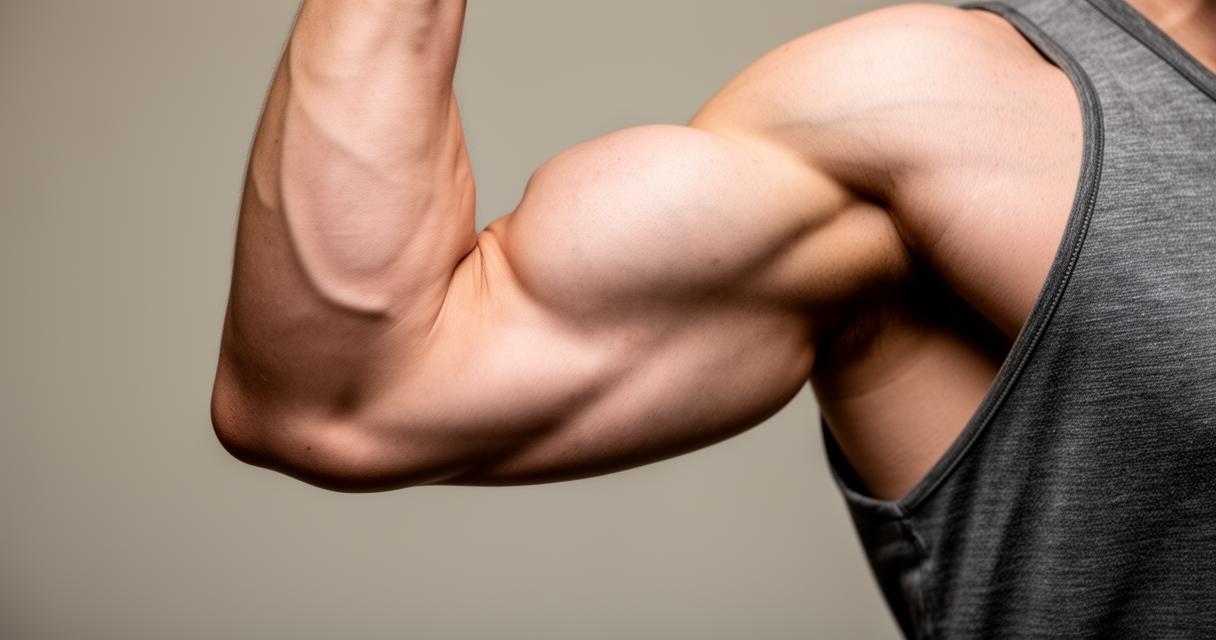
Visual characteristics that distinguish the two muscle types
Aside from measuring, there are visual cues that give the game away almost instantly. A shorter bicep tends to look rounder and more compact when flexed, often appearing fuller even without extensive training because the muscle mass is concentrated in a smaller area. A longer bicep, by contrast, can look leaner along its length but has the potential to develop an impressive peak once sufficiently trained, since the extended muscle belly provides more room for growth. Neither shape is superior to the other; they simply respond differently to certain stimuli, which brings us to the practical side of training.
Optimising your training approach based on your bicep structure
Once you have identified your bicep type, you can start adjusting your exercise selection to work with your anatomy rather than against it. This is where many lifters make mistakes, following generic programmes without considering that their structural starting point calls for a slightly different emphasis. The key movements remain largely similar across the board, involving flexion and supination of the forearm, but the angle, grip and range of motion can be adapted to suit your individual shape.
Tailored exercise selection for short biceps development
If you have shorter biceps, your priority should be maximising the density and roundness of the muscle you already have, since there is less length to work with. Exercises such as concentration curls, spider curls and close grip curls tend to work well here because they isolate the muscle through a shorter but more intense range of motion. Focusing on peak contraction at the top of each repetition can also help create the illusion of a fuller arm, and incorporating supination heavy movements like dumbbell curls with a twisting motion can further emphasise the muscle belly. Many lifters with this build find that slightly higher repetition ranges combined with strict form produce noticeably better results than heavy, sloppy sets.
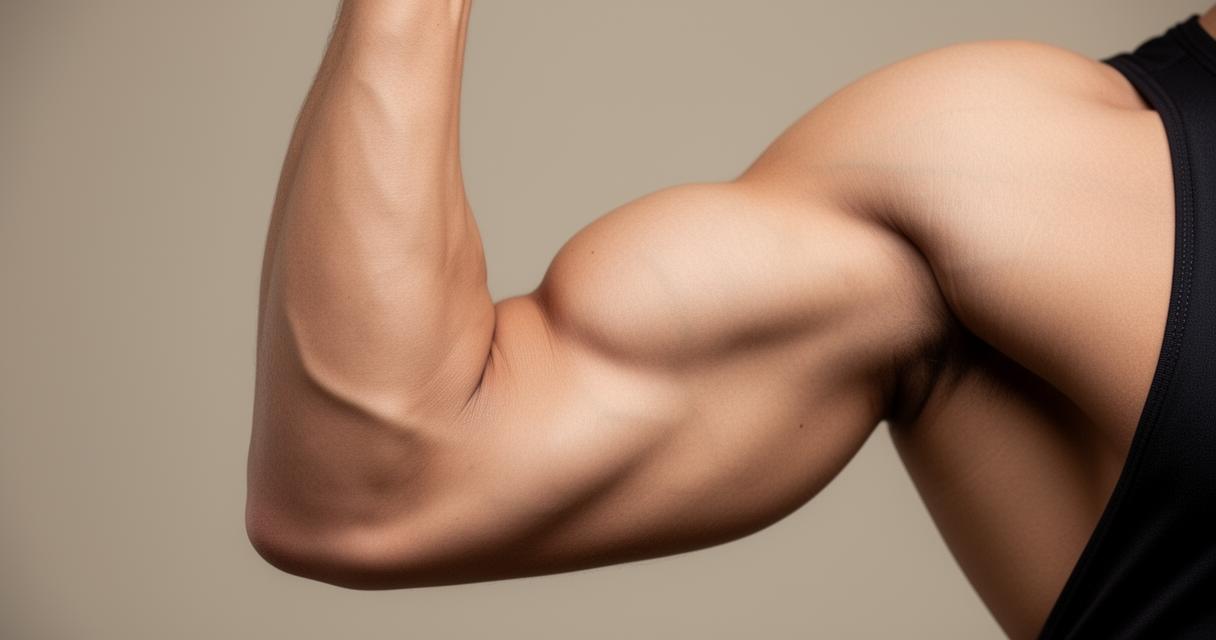
Maximising growth potential with long biceps-specific movements
Those blessed with longer biceps have more real estate to build upon, but this also means they need to be strategic about stimulating the entire length of the muscle. Exercises like incline dumbbell curls, which stretch the muscle at the bottom of the movement, and standard barbell curls performed through a full range of motion tend to be particularly effective. Because the muscle belly extends further, these individuals often benefit from a mixture of heavy compound style curls combined with isolation work to ensure both the upper and lower portions of the bicep receive adequate stimulus. Patience is important too, as building a visible peak on a longer muscle can take considerably more time than achieving fullness on a shorter one.
Common Challenges and Injury Prevention for Different Bicep Types
Regardless of your bicep shape, training the arms consistently and with heavy loads carries certain risks that should not be overlooked. Being aware of these potential pitfalls in advance means you can adjust your programme to protect the joint and surrounding tendons while still pushing for growth.

Recognising and managing tendinitis risks during training
One of the most common issues bicep trainees encounter is tendinitis, which typically develops from repetitive strain or poor technique during curling movements. This condition often presents as a nagging ache near the elbow or shoulder attachment point and can significantly hinder performance if ignored. Warming up thoroughly before heavy sets, avoiding excessive momentum during curls and gradually increasing load rather than jumping dramatically in weight are all sensible strategies to reduce the likelihood of developing this frustrating injury. If discomfort persists, stepping back from heavy lifting and allowing proper recovery time is far wiser than pushing through pain.
Addressing muscle imbalances through proper flexion and supination techniques
Muscle imbalances between the two arms, or between the biceps and surrounding muscle groups, can develop over time if training is not approached thoughtfully. Ensuring that both flexion and supination are trained equally, rather than favouring one movement pattern exclusively, helps maintain balanced development and reduces strain on the joint. Alternating between barbell and dumbbell work, paying attention to unilateral training to address any strength discrepancies between limbs, and maintaining strict form throughout each set will go a long way towards keeping your arms both strong and injury free. Ultimately, whether you have short or long biceps, understanding your unique anatomy and training accordingly gives you the best possible chance of building the arms you have always wanted.