
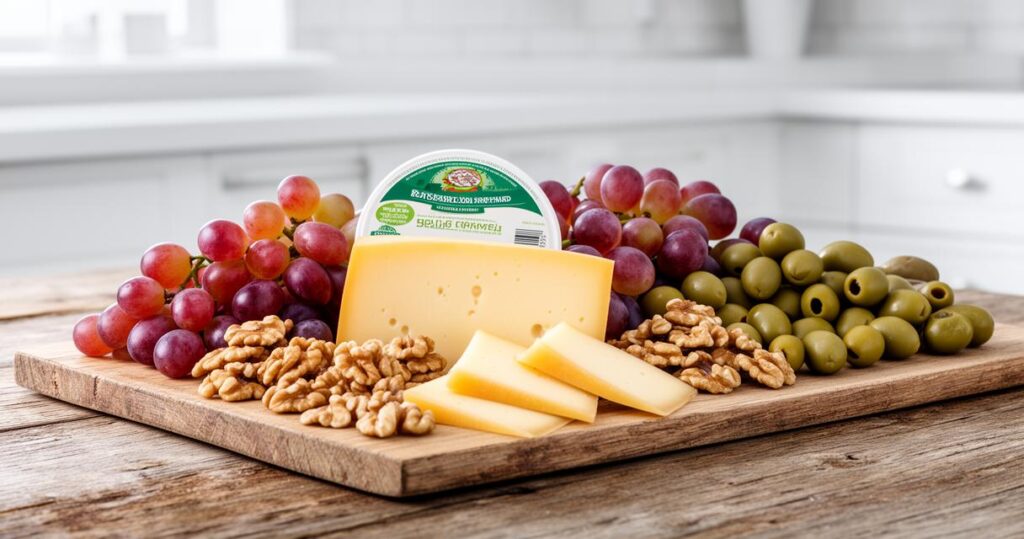
Finding out you're expecting often means rethinking what's on your plate, and cured meats like saucisson tend to top the list of foods that cause confusion. Many mums-to-be adore a good charcuterie board, but pregnancy calls for a closer look at what's safe to eat and what's best left until after the baby arrives. Understanding the reasoning behind this guidance can help you make confident choices without feeling overly restricted.
Key points
- Dry-cured meats like saucisson are typically made from raw meat, which can harbor bacteria such as listeria and toxoplasmosis.
- Consuming raw or dry-cured sausages during pregnancy poses health risks, including potential miscarriage or serious illness for the newborn.
- Pregnancy weakens the immune system, making it safer to avoid raw-cured products that do not undergo high-heat cooking.
- You can safely eat cured meats during pregnancy by cooking them thoroughly until they are steaming hot throughout to eliminate harmful bacteria.
- It is recommended to consume cured meats in moderation because they are often high in fat and salt, preferring nutrient-dense alternatives like pasteurized dairy and lean proteins.
- Always consult with a GP or midwife for personalized dietary advice, especially if you experience symptoms like fever or flu-like aches after consuming questionable foods.
Understanding the Risks of Cured Meats Whilst Expecting
Listeria and Toxoplasmosis: The Hidden Dangers in Uncooked Sausages
Saucisson and similar dry-cured sausages are typically made from raw meat that's been salted and air-dried rather than cooked, which means any bacteria present at the start of the process can survive. The main concerns are listeriosis, toxoplasmosis, and salmonella, all of which can pose serious risks during pregnancy. Listeria is particularly worrying because it can cross the placenta and, in rare cases, lead to miscarriage or serious illness in the newborn. Toxoplasmosis, often linked to undercooked meat, can also affect the developing baby if the infection is picked up for the first time during pregnancy.
Why raw and dry-cured meats require extra caution during pregnancy
Unlike meats that undergo high-heat cooking, products such as chorizo, salami, and traditional saucisson rely on curing and drying rather than heat to make them safe to eat. This means harmful organisms aren't necessarily destroyed in the same way they would be through thorough cooking. Whilst the overall risk of food poisoning from these products remains fairly low, pregnancy weakens certain aspects of the immune response, so it's sensible to be extra cautious. If you do accidentally eat a slice of saucisson before realising it wasn't recommended, try not to panic, as it's unlikely to cause harm unless you go on to develop symptoms of illness.
Safe Preparation Methods for Saucisson and Other Cured Meats
Proper cooking temperatures to eliminate harmful bacteria
The simplest way to enjoy cured meats safely during pregnancy is to cook them thoroughly before eating. Heating sausages, chorizo, or similar products until they're steaming hot throughout helps eliminate the bacteria that raw curing alone doesn't destroy. This same principle applies to other meats too, including chicken, pork, lamb, and turkey, all of which should be cooked completely with no pink remaining. Liver and liver-based products are best avoided altogether due to their high vitamin A content, which can be problematic in large amounts during pregnancy.
Which types of sausages are safer after thorough heating
Once properly cooked, many sausages that would otherwise be risky become perfectly suitable additions to a pregnancy-friendly diet. Frying, grilling, or baking saucisson-style sausages until piping hot removes much of the concern surrounding raw curing.
- Fresh sausages cooked until no pink remains
- Chorizo added to a dish and heated through rather than eaten cold
- Pâté-style products avoided entirely due to liver content
Maintaining a Balanced Diet and Making Informed Choices for You and Your Baby
Nutritious Alternatives to High-Fat and High-Salt Cured Products
Cured meats are often high in fat and salt, so even when cooked safely, they're best enjoyed in moderation rather than as a daily staple. Filling your plate with washed fruits and vegetables, pasteurised dairy, and lean proteins offers a more balanced approach to eating well during pregnancy. Eggs carrying the British Lion stamp can be eaten runny or even raw, whilst other eggs should be cooked until solid throughout. Fish makes a lovely alternative too, with cooked options being safe and tuna limited to around four medium cans or two fresh steaks a week to manage mercury exposure. Raw fish and shellfish, along with unpasteurised soft cheeses, should be avoided unless the cheese has been thoroughly cooked first.
Consulting your gp or midwife about your dietary decisions during pregnancy
Every pregnancy is different, so chatting with your midwife or GP about your specific diet gives you tailored reassurance rather than relying solely on general advice. They can talk through caffeine limits, which sit at around 200mg a day from sources like coffee, tea, and cola, and confirm that alcohol should be avoided completely throughout pregnancy. If you ever experience symptoms such as fever, upset stomach, or flu-like aches after eating something you're unsure about, contacting your healthcare provider promptly is the sensible step. Many expectant parents also find free antenatal classes, pregnancy trackers, and due date calculators helpful for staying informed as the weeks progress, alongside guidance on baby milestones and postnatal care once the little one arrives. Being informed, rather than anxious, is really the goal, and small adjustments to how you enjoy foods like saucisson can help you feel confident about nourishing both yourself and your growing baby.