
Cutting out bread and pasta has become something of a national pastime, with supermarket shelves now groaning under the weight of gluten-free loaves, biscuits and cereals. For many people, this shift is driven by a belief that ditching gluten will automatically lead to a slimmer waistline, but the reality is rather more complicated. Understanding what gluten actually is, who genuinely needs to avoid it, and why the diet doesn't work as a magic weight loss solution for everyone else is essential before making such a significant change to your eating habits.
Key points
- Gluten is a protein found in wheat, barley, and rye that only poses a medical necessity for individuals with coeliac disease or non-coeliac gluten sensitivity.
- Many people mistakenly adopt a gluten-free diet for weight loss, despite the fact that a large percentage of the population does not have a medical requirement to avoid gluten.
- Processed gluten-free products often contain higher levels of fat, sugar, and calories than their traditional counterparts to compensate for texture and flavor.
- A poorly planned gluten-free diet can lead to nutritional deficiencies in fiber, iron, and essential B vitamins typically provided by fortified wheat products.
- Effective weight management is better achieved by focusing on naturally gluten-free whole foods, such as vegetables, fruits, and proteins, rather than relying on packaged substitutes.
- Scientific research remains insufficient to prove that a gluten-free diet provides weight loss benefits for individuals who do not suffer from coeliac disease or gluten sensitivity.
- Consulting a healthcare professional is strongly recommended before changing one's diet to avoid unnecessary health risks and potential nutrient gaps.
Understanding the Gluten-Free Diet and Its Primary Purpose
What Gluten Is and Who Truly Benefits from Avoiding It
Gluten is a protein found in wheat, barley and rye, and for the vast majority of people it causes no trouble whatsoever. However, for those with coeliac disease, an autoimmune disorder affecting roughly one per cent of the global population, consuming gluten triggers an immune response that damages the small intestine. Many cases remain undiagnosed, with sufferers experiencing abdominal pain, diarrhoea, unexplained weight loss, anaemia and even osteoporosis before they receive proper answers. Diagnosis typically involves serology tests, though patients need to still be eating gluten for these results to be reliable. There's also a smaller group with gluten sensitivity, often referred to as NCGS, who experience uncomfortable symptoms without the same intestinal damage seen in coeliac disease. Interestingly, coeliac disease and type 1 diabetes frequently coexist, with prevalence estimates ranging from 1.4% to nearly 20%, which is why screening is often recommended for those already managing diabetes.
The difference between medical necessity and weight loss goals
For those with a genuine medical need, a gluten-free diet isn't a lifestyle choice but a necessity for managing their health and avoiding serious complications. Yet a 2013 survey found that around 30% of Americans were actively trying to avoid gluten, despite only a fraction of them having any diagnosed condition requiring it. Roughly 65% of American adults believe gluten-free foods are inherently healthier, and about 27% choose the diet specifically hoping it will help them shed pounds. This gap between medical necessity and popular belief has fuelled a market that grew by around 28% annually between 2004 and 2011, with sales expected to climb from $2.6 billion in 2012 to $6.6 billion by 2017. The gluten-free labelling itself is tightly regulated, with FDA rules requiring products to contain fewer than 20 ppm of gluten to carry the claim, giving consumers confidence but not necessarily a guarantee of better health outcomes.
Why going gluten-free doesn't guarantee weight loss
The hidden calories in processed gluten-free products
One of the biggest misconceptions is assuming that anything labelled gluten-free is automatically a healthier or lower-calorie option. In truth, many gluten-free substitutes such as breads, biscuits and breakfast cereals are heavily processed and often contain more fat and sugar than their traditional counterparts, simply to compensate for texture and flavour lost when wheat is removed. Some individuals with coeliac disease actually experience weight gain once they start a gluten-free diet, precisely because these convenience products are calorie-dense. It's also worth remembering that being wheat-free does not automatically mean being gluten-free, so careful label reading remains crucial, particularly since gluten can hide in unexpected places like soy sauce and salad dressings. Wine and distilled spirits are generally safe, but beer typically contains gluten, which catches many people off guard.
Nutritional deficiencies and metabolic considerations
Beyond the calorie concern, a poorly planned gluten-free diet can lead to genuine nutritional deficiencies, since many gluten-free products lack the fibre, iron and B vitamins found in fortified wheat-based foods. This makes proper supplementation and increased fibre intake important considerations for anyone following this path long-term. There's also currently insufficient research into how a gluten-free diet affects people who don't have coeliac disease or NCGS, meaning the supposed benefits for the average dieter remain largely unproven. For those juggling both coeliac disease and diabetes, careful planning becomes even more critical to avoid complications and ensure balanced nutrition, as the two conditions together can complicate blood sugar management significantly.
Making informed dietary choices for sustainable weight management
Focusing on whole foods rather than simply eliminating gluten
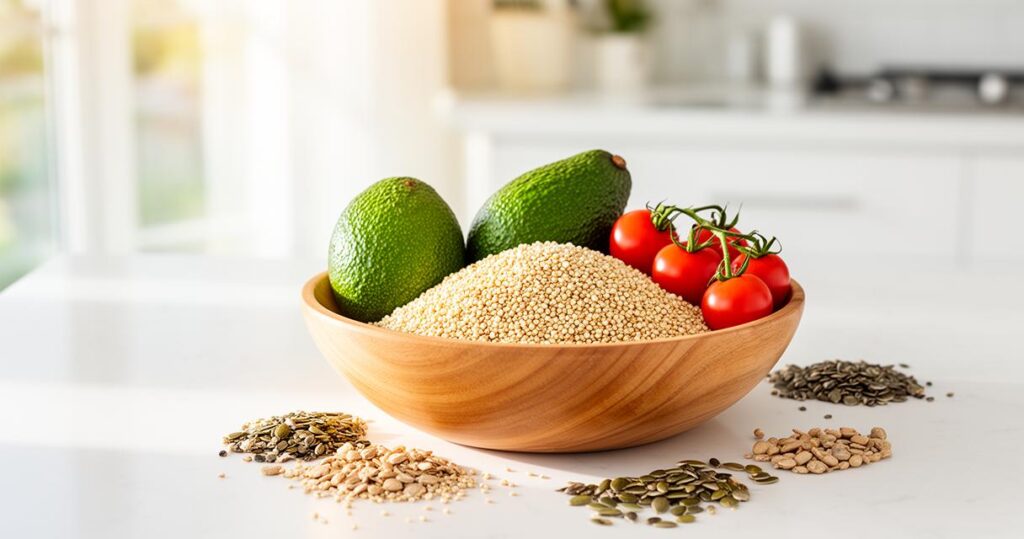
Rather than relying on packaged gluten-free substitutes, genuine weight management benefits tend to come from prioritising naturally gluten-free whole foods such as meat, fish, eggs, vegetables, fruits, nuts, rice, potatoes and corn. Many people who cut gluten report feeling less bloated and notice a reduction in belly fat, though this often has more to do with cutting out processed, refined foods generally rather than gluten specifically. Incorporating healthy fats like olive oil and rapeseed oil can also support a balanced approach, providing the body with beneficial nutrients while keeping meals satisfying. Around three million Americans live with coeliac disease, while an estimated six to seven per cent experience some form of gluten sensitivity, yet the remaining majority of the roughly 30% avoiding gluten simply don't need to for medical reasons.
Consulting healthcare professionals before major dietary changes
Anyone considering a significant shift in their eating habits should speak with a doctor or registered dietitian first, particularly given the potential for nutrient gaps and the added expense that gluten-free living often brings. Organisations such as the Coeliac Disease Foundation offer valuable resources and support for those genuinely navigating this diet, whether newly diagnosed or looking for reliable guidance on label reading and meal planning. Friends and family don't always understand the seriousness of coeliac disease, which can make social situations tricky, so having proper medical backing and support networks in place makes a real difference. Ultimately, sustainable weight management comes down to overall dietary quality rather than chasing trends, and professional advice ensures any changes made are both safe and genuinely beneficial for individual health needs.